A Word on West African Peanut Stews
When looking up a dish I could make using peanut butter, I came across a lot of (white) creators and food bloggers sharing a recipe called “West African Peanut Stew”, and they all looked delicious.
So I decided to dig deeper into that, and what I found is that there is a huge misconception about this phrase. There is no such thing as a single “West African Peanut Stew”, just like there is not a single “European Roast” or “Asian Noodles”. Dishes vary across West Africa in terms of flavour bases, ingredients, and cooking methods. Just to name a few, and one of their key aspects:
- Senegalese Mafé: Uses Nokoss as a flavour base
- Ghanian Groundnut Soup: Quite Brothy
- North Nigerian Miyan Taushe: Focus on a pumpkin purée
This recipe was inspired by Afia, a plant-based food blogger specializing in West African cuisine, tradition, and culture. I highly recommend checking her out and reading her post about this misconception.
Key Components To Mafé
Nokoss
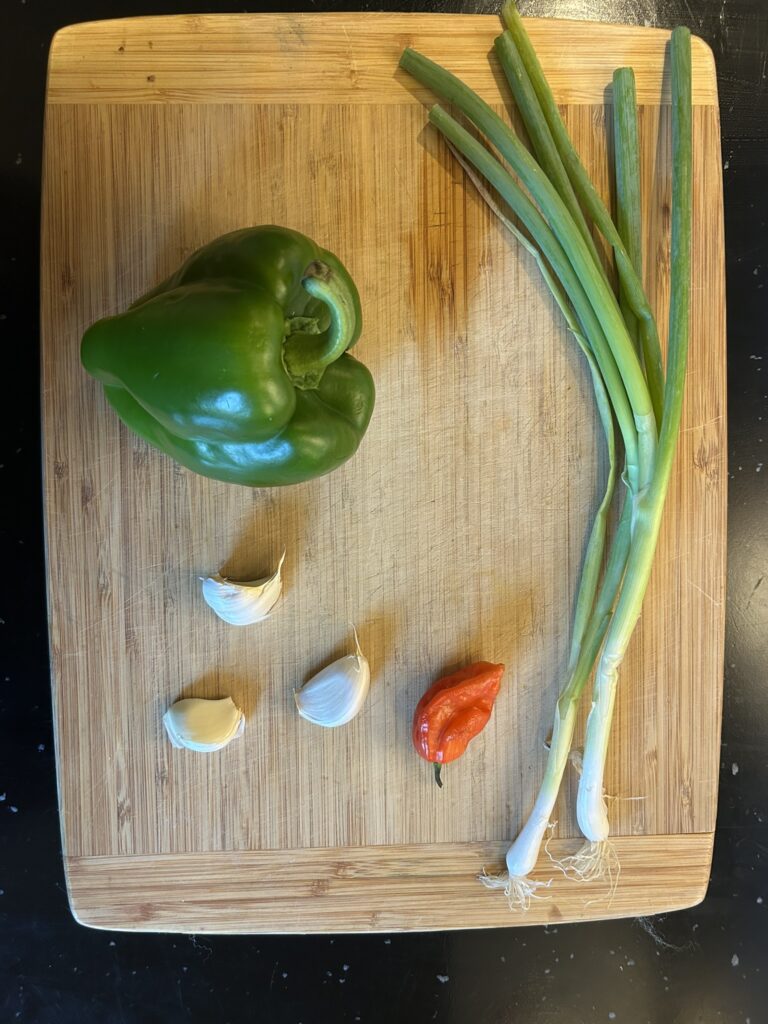
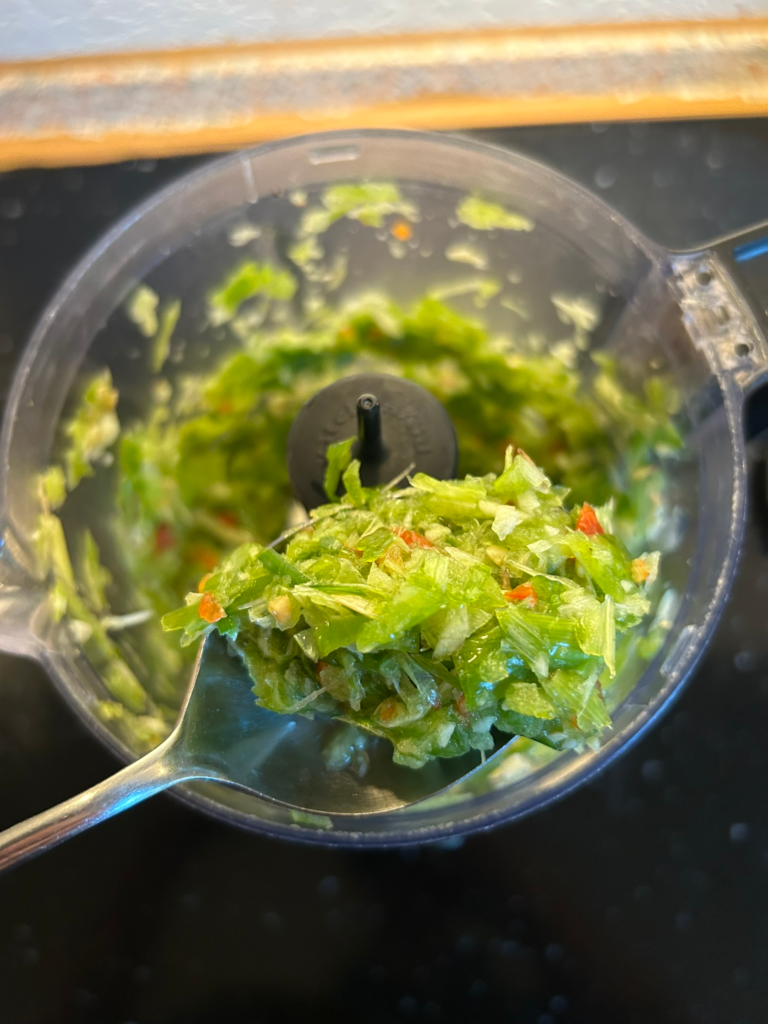
This Pepper paste is the base for many traditional Senegalese dishes. Even though there are different versions out there, in general it is a blend, consisting of aromatics (green, white onion and garlic), chillis and bell peppers. Some variations may include ginger or fresh herbs like parsley.
Like in this dish, it serves as a flavour base for stews, but is often used as a marinade as well.
Umami
Traditionally, Mafé is cooked with seared and slow-cooked meat (like beef, lamb, or chicken), providing richness and umami. To achieve a similar flavour profile, we make use of two ingredients:
Mushrooms
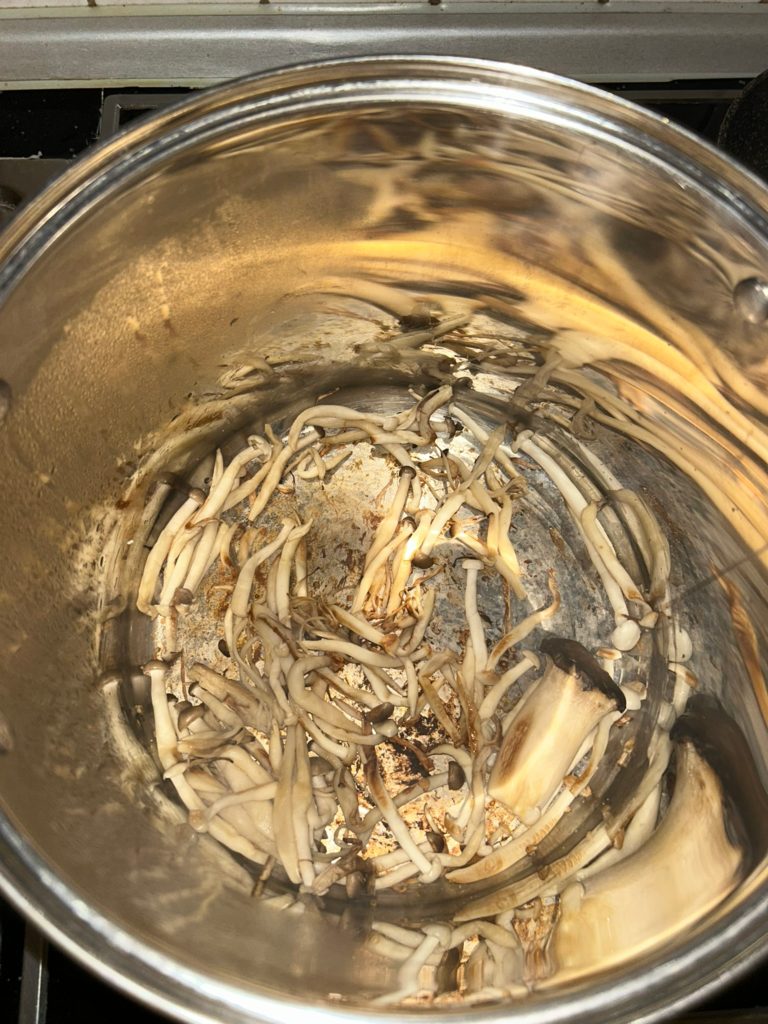
One of my favourite techniques to replace meat is frying and cooking mushrooms. They will release so many earthy flavours and provide some nice textural aspects to the dish. Use any mushrooms you have on hand, but I recommend oyster and king mushrooms for texture.
Dawa Dawa
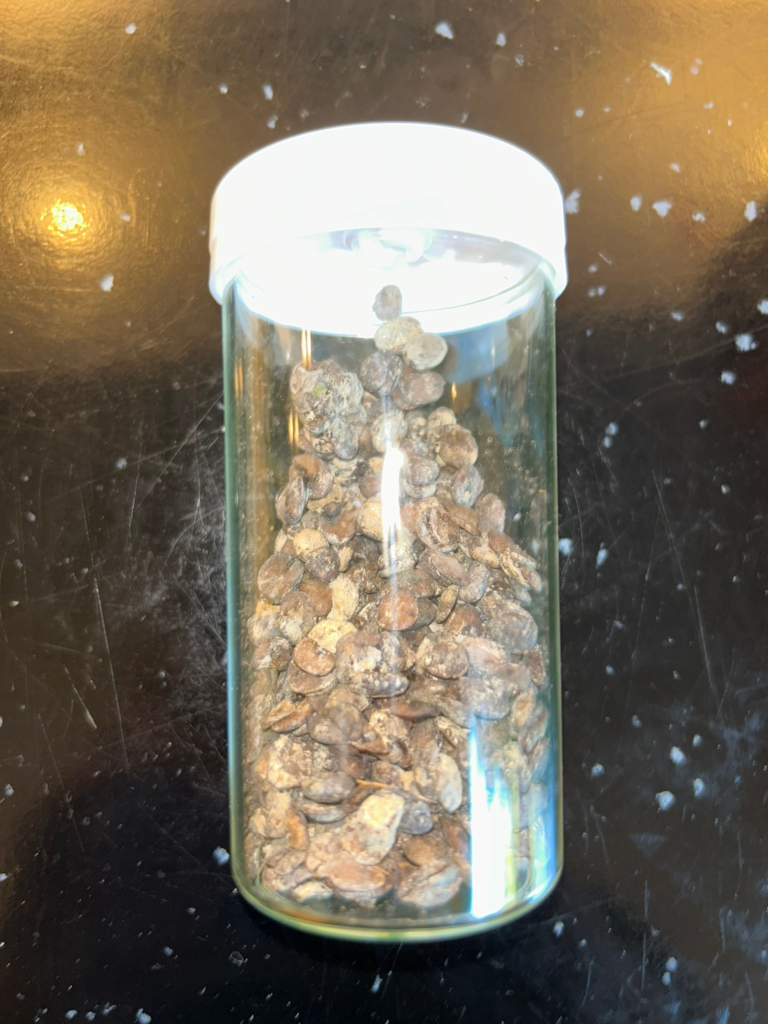
These are fermented seeds of the African locust bean, and even though they smell terribly, they provide a crazy amount of umami, and are often used in West African cuisine to provide more richness.
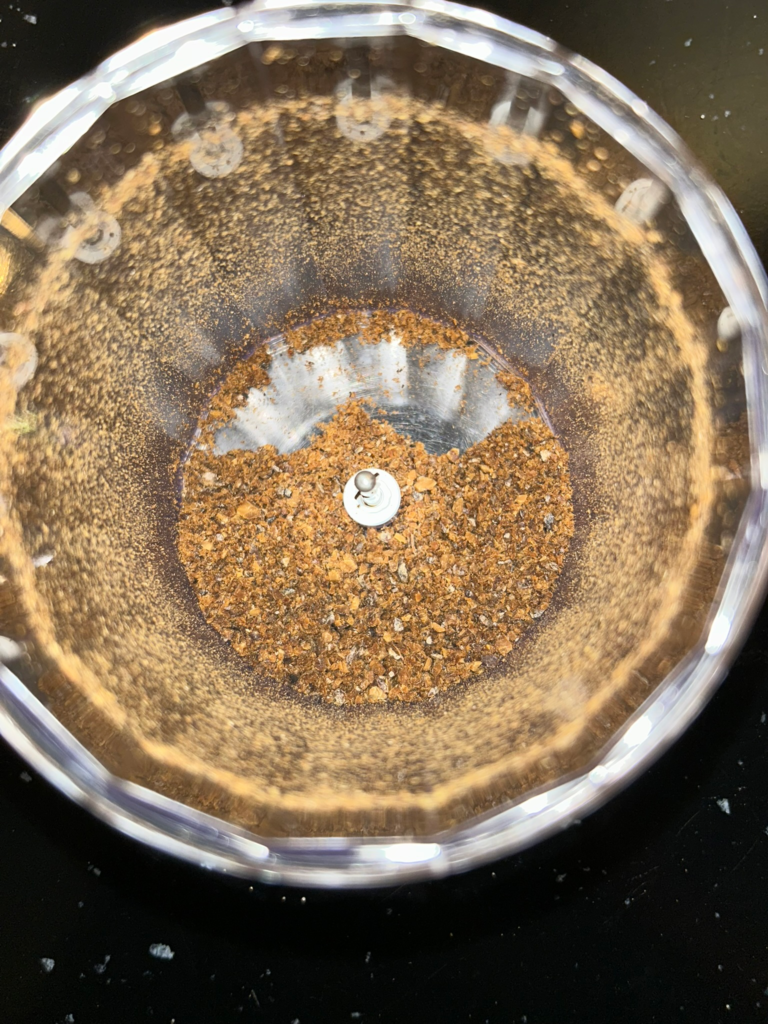
If you use whole spices, I recommend toasting them in a pan for a few minutes, before grinding them to a powder, which will help releasing the flavour.
Peanut Butter Broth
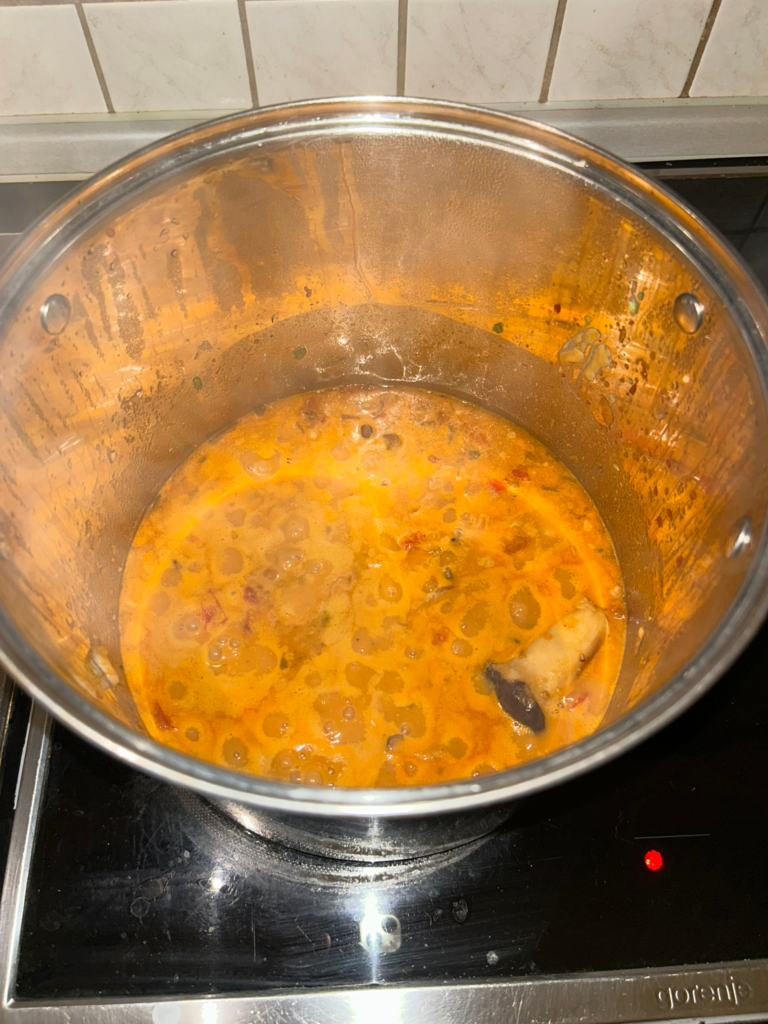
I mean, at some point, you have to include peanuts in a peanut stew, but first we create a rich broth by
- Frying mushrooms
- Sautéing onions with tomato paste
- Build a flavour base by cooking down our nokoss, fresh tomatoes, and the dawa dawa
- Add vegetable broth with additional aromatics, such as scotch bonnet and bay leaf. Remember to remove them before serving to avoid an unpleasant surprise.
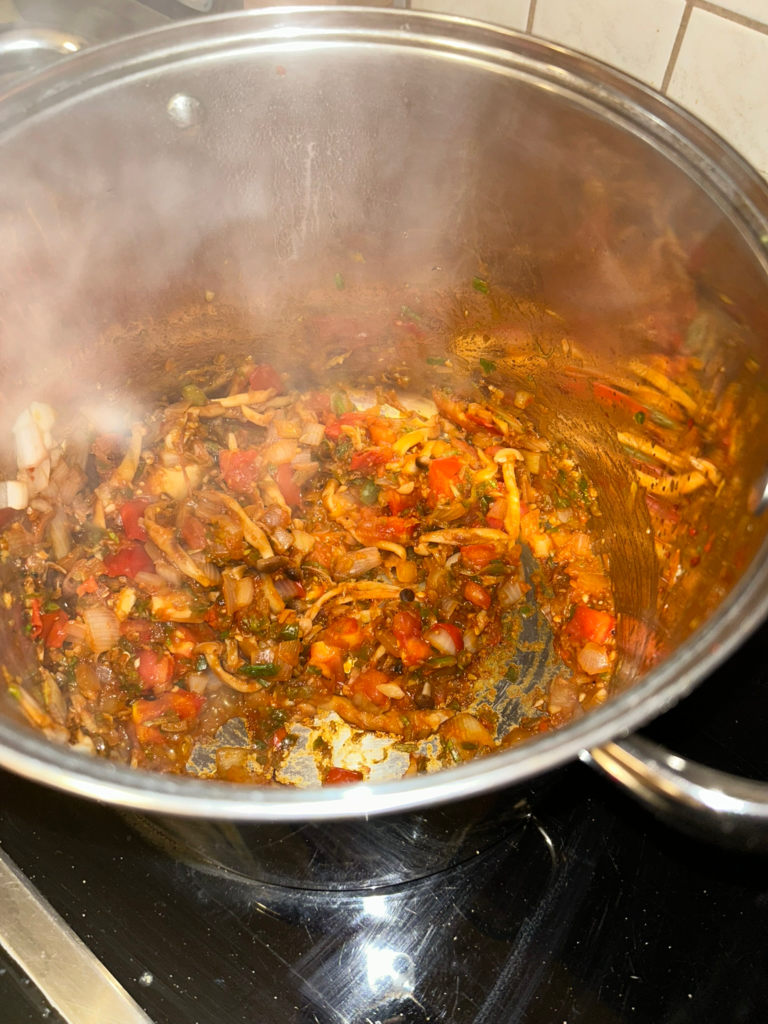
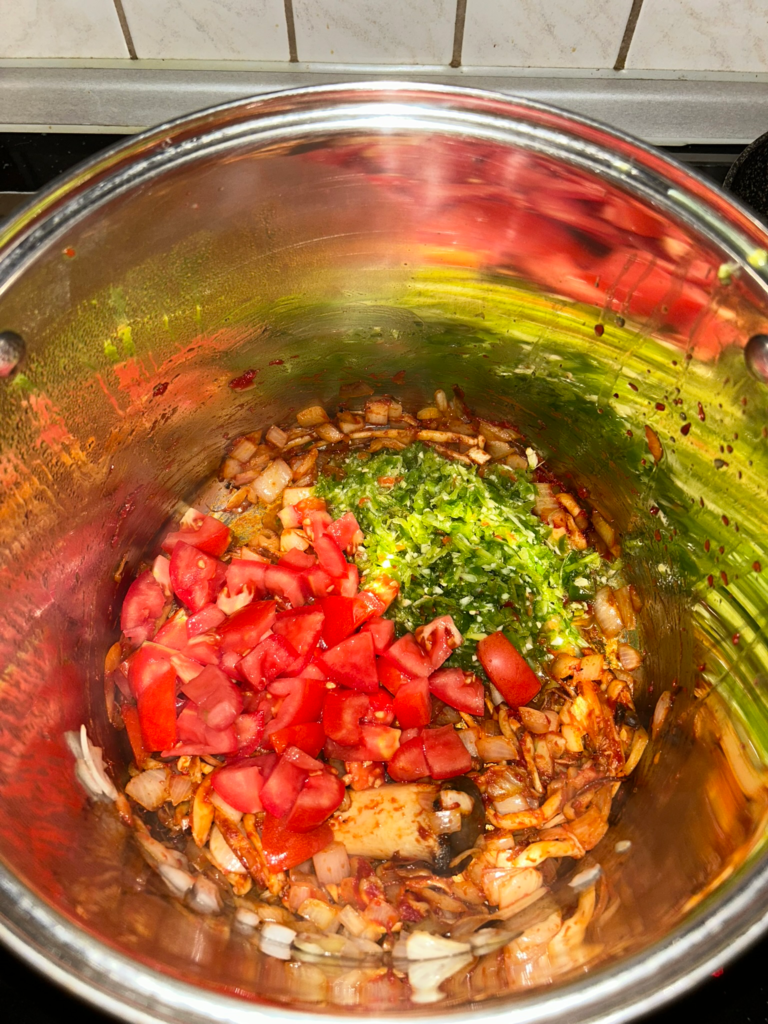
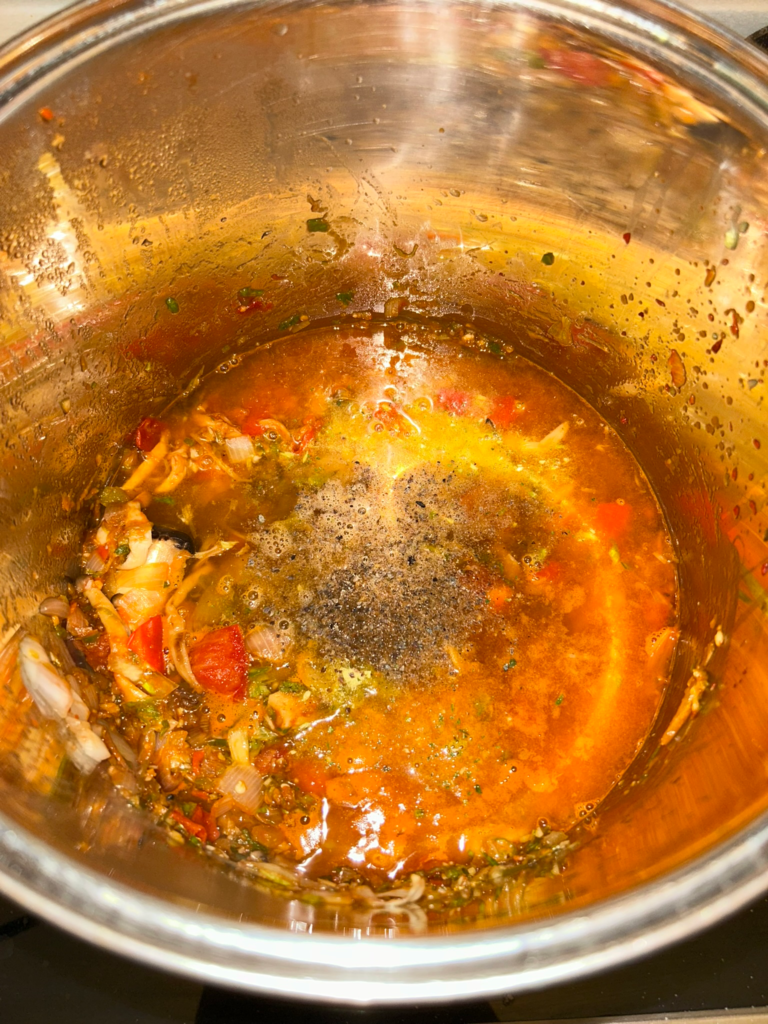
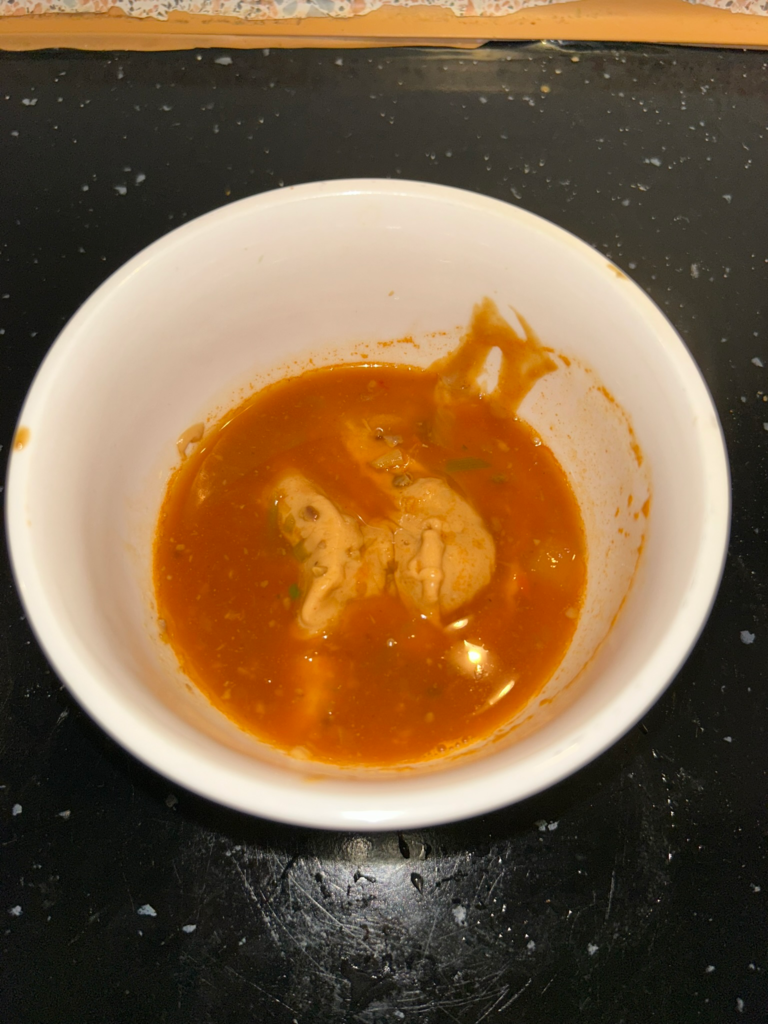
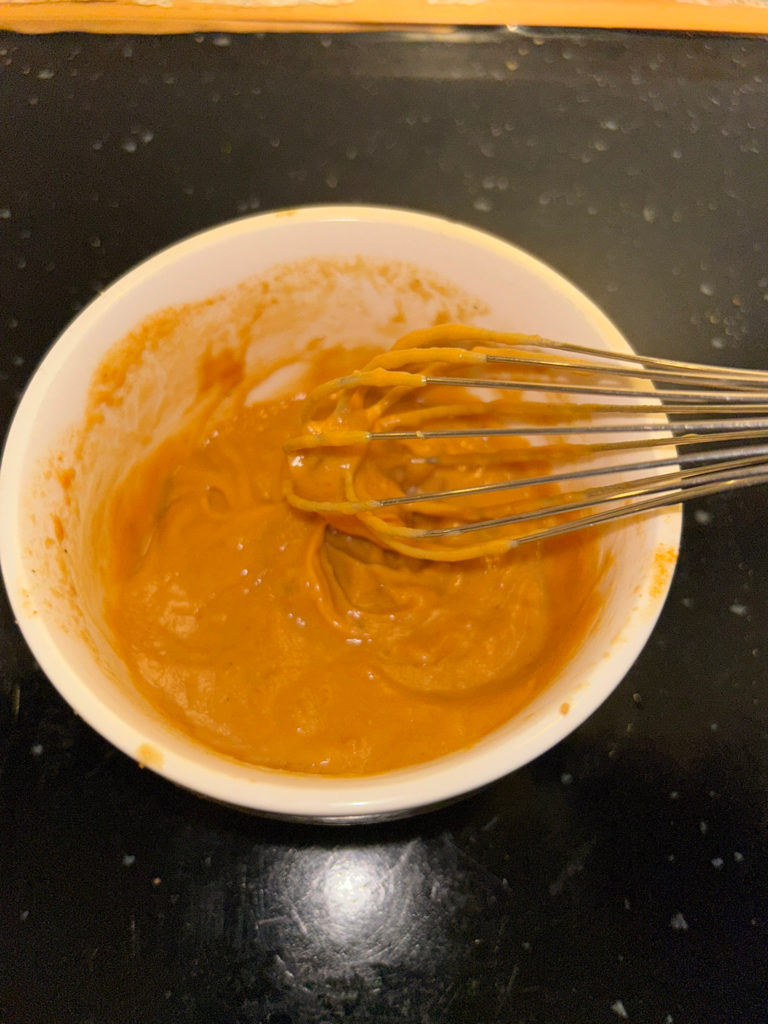
To ease dissolving the peanut butter, whisk it together with a few ladles of our broth in a separate bowl, before pouring the mixture back into the pot. Cook for 15-20 minutes, which helps the peanut butter fat to separate, and makes the stew more digestible.
Vegetables
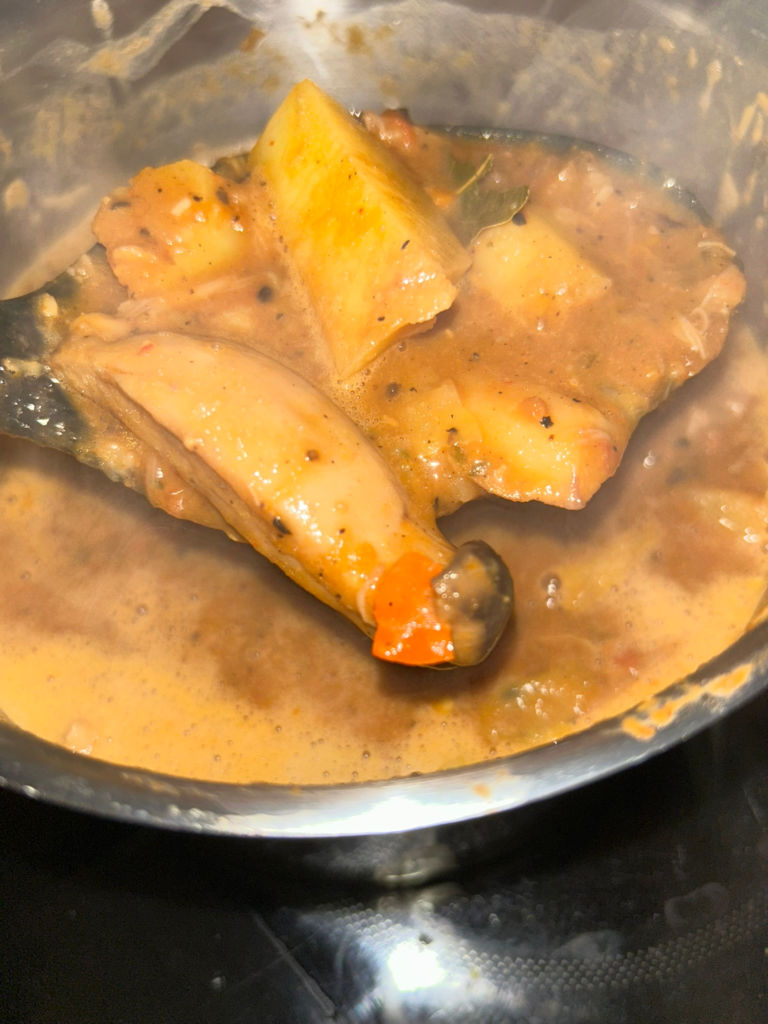
The last step is adding big chunks of vegetables, which mostly include root vegetables like
- Potato
- Pumpkin
- Carrots
I also included green cabbage, and you might find variations using eggplants.
After including the vegetables, keep the stew simmering at least until the root vegetables are tender. The goal is to reach a quite thick stew consistency, so reduce the stew, if it is too runny (or add liquid if way too thick).
Cooking tips, serving & storage
- Make a big batch of nokoss. You can use leftovers for other dishes.
- Start with a bit less liquid for the broth. If the stew is too thick for you, just add a little more in the end. If it’s too thin, try to reduce it.
- You can adjust the heat level to your personal preference, i.e. use milder chillis, or mitigate the scotch bonnet in the broth.
- Cut the vegetables while the broth is cooking to save some time.
- Add Tofu/soy chunks when adding the vegetables as a source of protein.
Serve the stew with white rice, fonio (a type of millet), or simple bread. You can store the stew in the fridge for at least 5 days and in the freezer for 2-3 months.
The Recipe
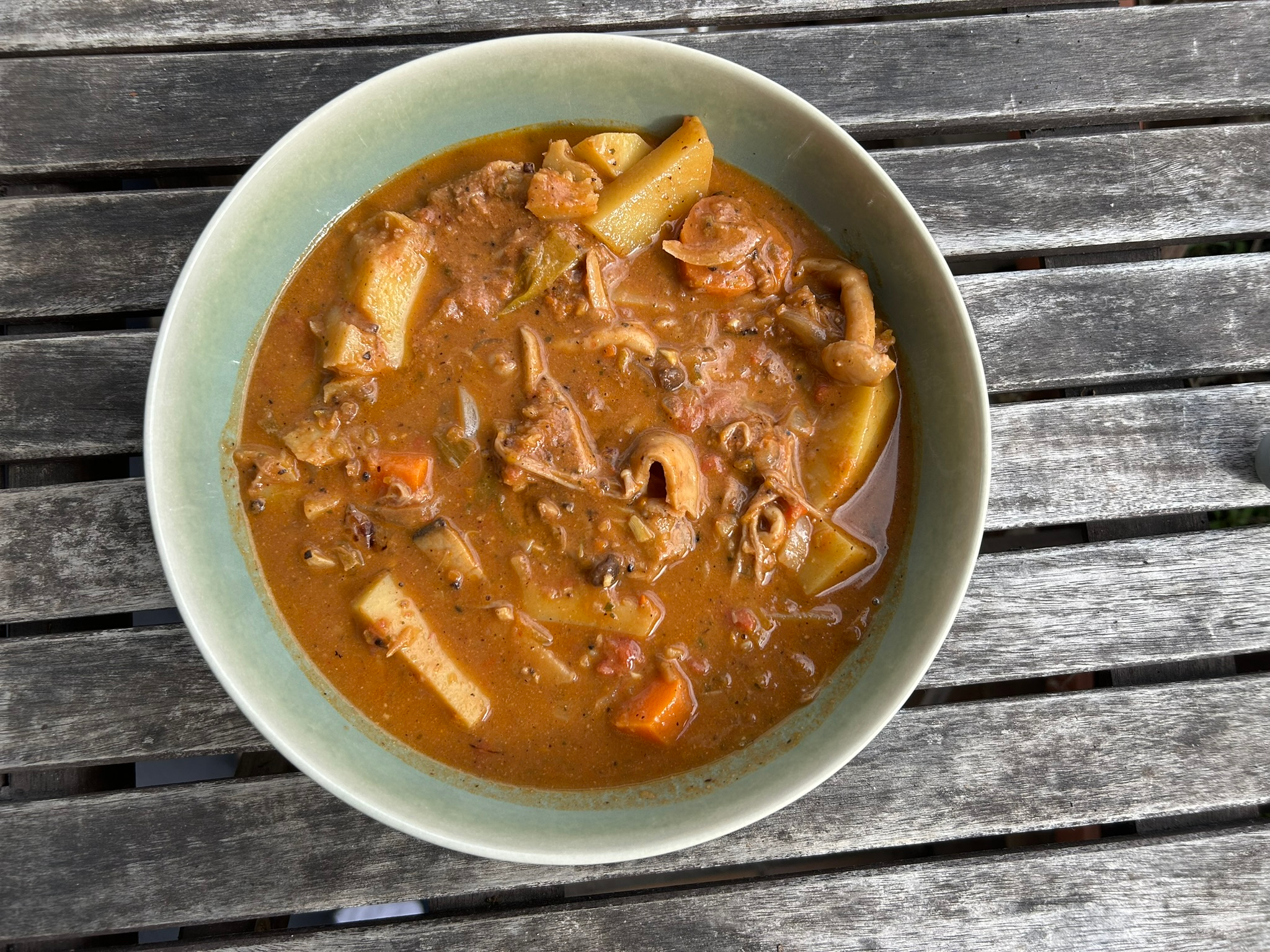
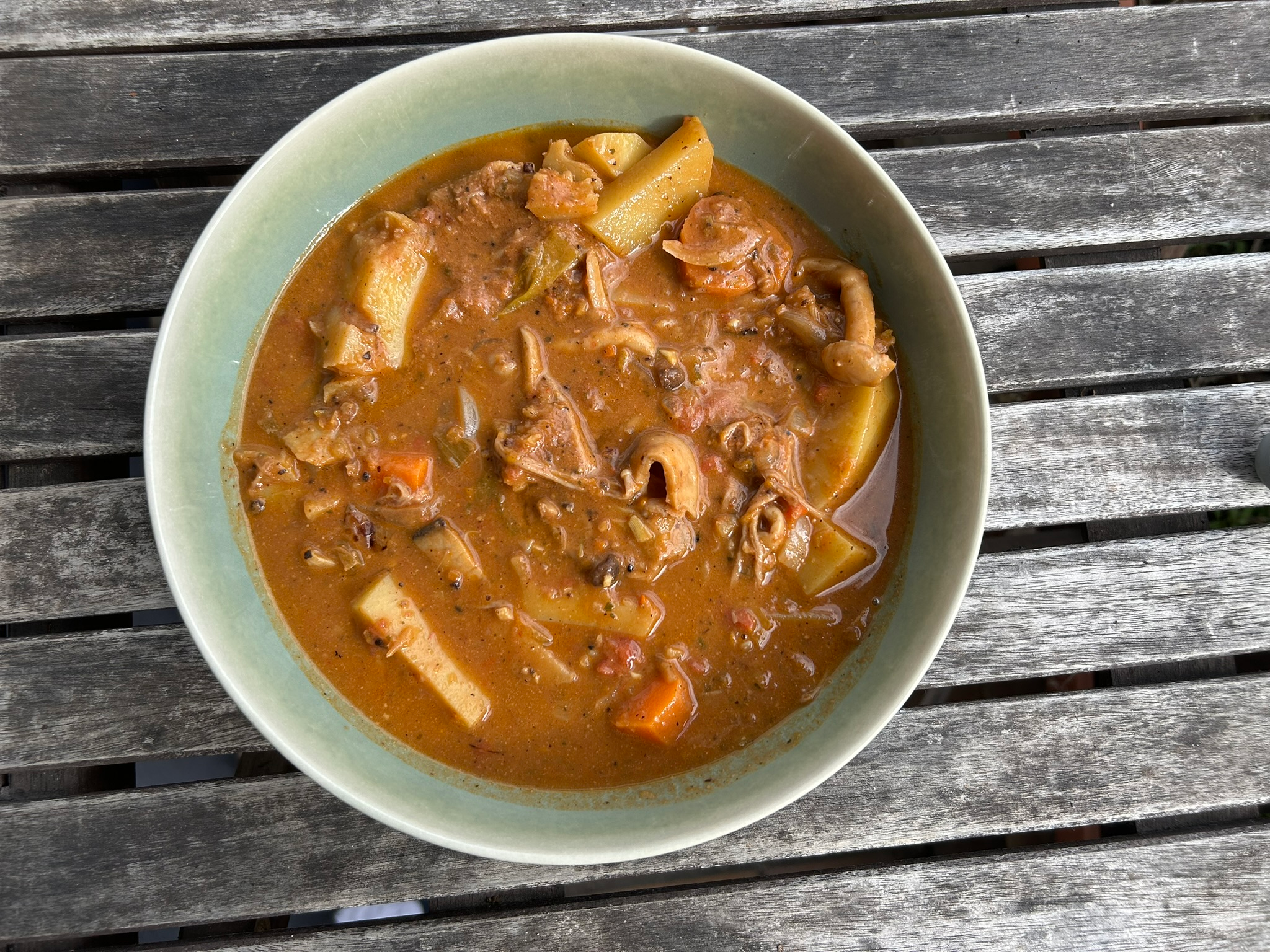
Mafé: Senegalese Peanut Stew
Zutaten
Kochutensilien
Method
- To a food processor, add the listed nokoss ingredients with a pinch of salt ,black pepper, and blend until smooth.
- If bought whole, toast the dawa dawa for 1-2 minutes on high heat, and grind to a powder.
- In a large pot, fry the mushrooms on high heat until most of their water content evaporates, and they develop a slight dark colour. Make sure not to overfill the pot with the mushrooms to prevent them from cooking. If necessary, fry in multiple batches to ensure each piece has contact with the bottom of the pot.
- Turn the heat to medium and sauté the onions in vegetable oil until fragrant. Add tomato paste and stir until it is dissolved.
- Add the nokoss, alongside the crushed tomatoes and the ground dawa dawa. Cook until everything is soft, broken down, and well incorporated (10 minutes).
- Add the vegetable stock, scotch bonnet, and bay leaf. Bring the pot to a boil, turn the heat to low, and let it simmer for 5 minutes.
- To a bowl, add the peanut butter and enough of the broth to easily whisk them together. When smooth, pour the mixture back into the pot and stir to combine. Bring to stew to a boil, reduce the heat again, and let it simmer for 30 minutes.
- Peel and cut both, the potatoes and carrots, into larger chunks or tablespoon-size pieces. Add them to the stew, bring it to a boil and let it simmer for 10 minutes
- Add the sliced cabbage, reduce the heat to low and simmer until the root vegetables are fork-tender (at least 10 minutes more)
- Adjust the seasoning with salt and black pepper. Before serving, remove the scotch bonnet and bay leaf.
Notizen
- Use any you can find. I recommend oyster or king mushrooms